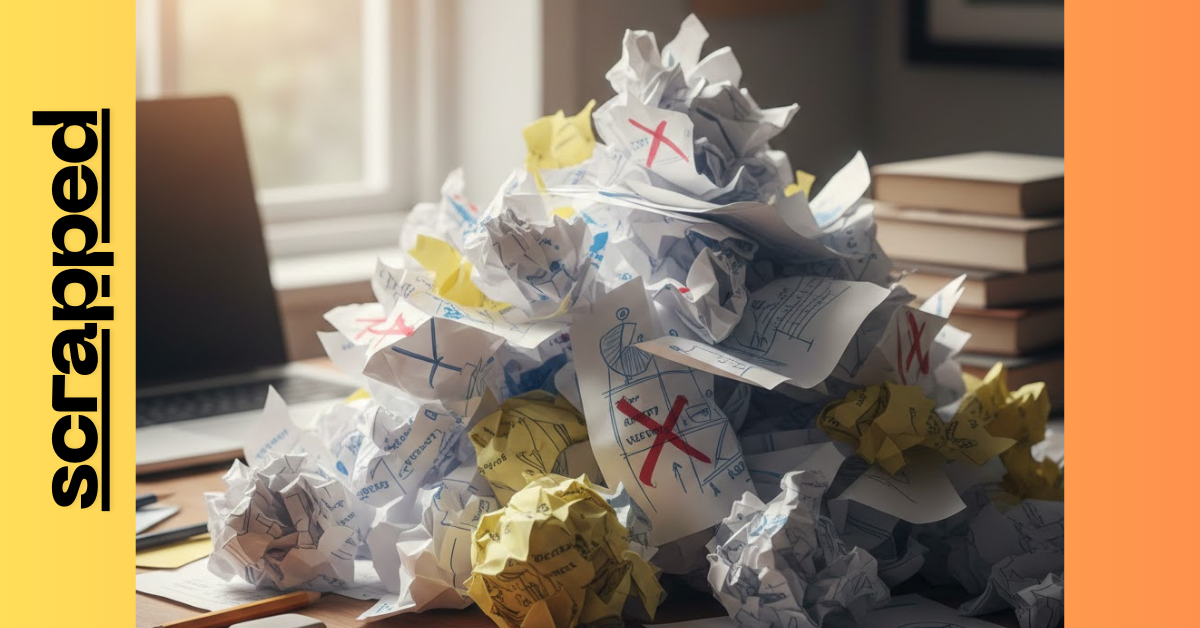
I still remember the day I scrapped my biggest project of the year.
It was a Tuesday afternoon. I had coffee on my desk, a half-eaten biscuit, and 37 open tabs on my laptop. I’d been working on that project for weeks. Late nights. Early mornings. Big plans.
And then… I deleted it.
Just like that. Scrapped.
At first, it felt dramatic. Almost painful. But looking back, that one decision taught me more about creativity, productivity, and resilience than any “successful” project ever did.
Today, I want to talk about what it really means when something gets scrapped, why it happens, and why it’s not always a bad thing.
What Does “Scrapped” Really Mean?
When something is scrapped, it’s abandoned, canceled, or thrown away. Sometimes it’s a business idea. Sometimes it’s a design. Sometimes it’s a full-blown plan you’ve told everyone about.
In different contexts, scrapped can mean:
-
A company cancels a product launch
-
A writer deletes a full draft
-
A builder tears down a half-finished structure
-
A government drops a proposed policy
It sounds negative. Final. Like failure.
But here’s what I’ve learned: scrapped doesn’t always mean wasted.
Sometimes, it means refined.
The Day I Scrapped My “Perfect” Idea
Let me tell you what happened.
I had created what I thought was a brilliant digital product. I had a logo, branding, a landing page, and even promotional posts scheduled. I was proud of it.
But something felt off.
The engagement was low. Feedback was polite but not excited. And deep down, I knew I had built something I liked — not something people actually needed.
So I made a tough call.
I scrapped it.
Deleted the landing page. Removed the posts. Archived the design files.
It hurt. Not going to lie.
But here’s the twist: two weeks later, I used parts of that “failed” idea to create something much better. That new version performed 10x better.
The original wasn’t a failure. It was a prototype.
Why Projects Get Scrapped (And It’s Not Always Failure)
There are many reasons something gets scrapped:
1. The Market Changes
Trends move fast. What was hot last month may be outdated today. In tech, product launches are often scrapped because competitors move quicker.
2. Costs Get Too High
Sometimes budgets explode. A plan that looked profitable on paper doesn’t make financial sense anymore.
3. Better Ideas Replace It
This is my favorite reason. Growth.
As we learn, we evolve. And sometimes, we outgrow our own ideas.
4. It Just Doesn’t Feel Right
Trust your gut. I’ve scrapped content because it didn’t align with my brand voice. That instinct has saved me from publishing things I would’ve regretted later.
My Personal Rule About Scrapping
Here’s a tip I use now:
“Pause Before You Permanently Scrap.”
Instead of deleting everything instantly, I:
-
Move files into an “Archive” folder
-
Wait 7 days
-
Revisit with fresh eyes
Half the time, I realize it really needed to go.
The other half? I find gold hidden inside it.
This simple pause has saved me from emotional decision-making.
Scrapped Content Isn’t Useless
If you create blog posts, videos, or products, you’ll scrap things. It’s part of the creative process.
Here’s how I recycle scrapped work:
-
Turn long articles into social media posts
-
Break unfinished guides into email tips
-
Rework rejected ideas into smaller experiments
One of my best-performing posts came from a paragraph inside a blog I scrapped. Imagine if I had deleted it completely.
The Emotional Side of Getting Scrapped
Let’s be honest — being scrapped hurts too.
I’ve pitched ideas that were rejected. I’ve submitted proposals that got canceled. I’ve seen projects I worked hard on completely removed from plans.
It can feel personal.
Especially in business or creative work, when something gets scrapped, it feels like you got scrapped.
But that’s not true.
A decision can be wrong for the moment without being wrong forever.
When Scrapping Is the Smartest Move
Sometimes, the smartest thing you can do is walk away.
Here’s when I’ve learned scrapping makes sense:
You’re Forcing It
If you constantly need motivation just to continue, that’s a sign.
The Numbers Don’t Add Up
Low engagement, poor conversions, zero traction — data matters.
It’s Draining Your Energy
Energy is currency. If something drains you daily, it may cost more than it’s worth.
I once continued a project for months just because I had already invested time in it. That’s called the sunk cost fallacy. Don’t fall into it like I did.
Cutting it off earlier would’ve saved me stress.
Scrapped Ideas Often Lead to Better Ones
Here’s something interesting.
Many successful products started as scrapped versions of something else. Creators revise. Builders redesign. Entrepreneurs pivot.
The version you scrap is often version 1.
Version 2 is smarter.
Version 3 is stronger.
I’ve noticed that my second attempts are almost always better. Why? Because the first attempt gave me data, feedback, and experience.
Nothing was wasted.
How to Scrap Without Regret
Let me share two personal strategies that changed everything for me.
1. Document What You Learned
Before scrapping, write down:
-
What worked
-
What didn’t
-
What surprised you
-
What you’d change
This turns a “failure” into research.
2. Separate Ego from Outcome
This was hard for me.
When something failed, I used to think I failed. Now I understand: the idea failed, not me.
That mental shift protects your confidence.
Scrapped Plans in Everyday Life
It’s not just business or blogging.
We scrap:
-
Fitness goals
-
Travel plans
-
Career paths
-
Relationships
And sometimes that’s growth.
I once planned to pursue a completely different career direction. Spent months preparing. Then realized it wasn’t aligned with who I was becoming.
So I scrapped it.
And I’ve never felt more relieved.
The Hidden Benefits of Scrapping
Let’s flip the script for a moment.
Scrapping something can:
-
Free up time
-
Clear mental clutter
-
Create space for better ideas
-
Improve decision-making skills
Every time I scrap something thoughtfully, I feel lighter. Focused. Clear.
It’s like decluttering your digital life.
Related Keywords You Might Hear Around “Scrapped”
When people talk about scrapped projects, they often also mention:
-
Cancelled plans
-
Abandoned projects
-
Rejected proposals
-
Project pivot
-
Creative process
These terms aren’t negative. They’re part of building something meaningful.
My Biggest Lesson About Scrapped Work
Here’s what I wish someone told me earlier:
You’re allowed to change your mind.
Scrapping something doesn’t make you inconsistent. It makes you adaptable.
And adaptability is powerful.
Some of my best growth moments came right after I scrapped something that wasn’t working.
Conclusion: Scrapped Doesn’t Mean Finished
When I look back at all the things I’ve scrapped — ideas, projects, drafts — I don’t see failure anymore. I see stepping stones. Each scrapped piece taught me something about clarity, audience needs, timing, or myself.
And sometimes, what you scrap today becomes the foundation of something far better tomorrow. If this resonated with you, I’d love to hear your story. Have you ever scrapped something that later led to something better? Drop a comment and let’s talk about it.




Leave a Reply