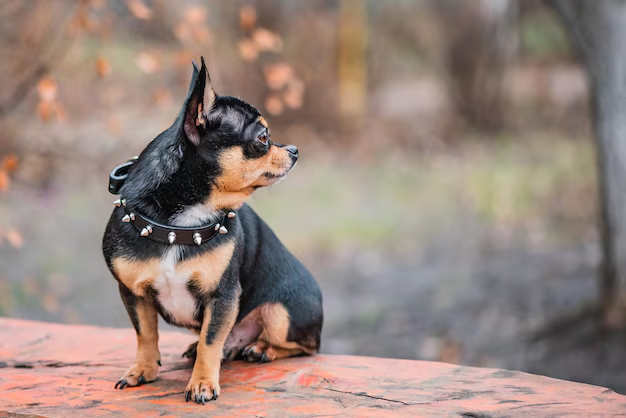
I still remember the first time I met a rodwajler. I was visiting a friend, and behind the gate stood this massive black-and-tan dog with a deep bark that made my knees wobble. Five minutes later, that same “scary” dog was leaning against my legs, demanding belly rubs like a spoiled baby. That moment completely changed how I saw rodwajlery (Rottweilers).
Fast forward a few years, and I now share my home with one of these incredible dogs. If you’re curious about rodwajlery, thinking of adopting one, or just want to understand what they’re really like, let me walk you through my honest experience.
What Are Rodwajlery Really Like? (Not What Movies Show)
Most people think rodwajlery are aggressive guard dogs that only exist to scare intruders. Reality? Yes, they’re protective. Yes, they’re strong. But they’re also:
-
Loyal to the core
-
Extremely people-focused
-
Surprisingly goofy at home
-
Emotionally sensitive
My rodwajler follows me from room to room like a shadow. Bathroom breaks? Supervised. Kitchen trips? Closely monitored for snack opportunities.
This breed thrives on connection. If you want a dog that ignores you all day, rodwajlery are not it.
Why I Fell in Love With Rodwajlery
Before owning one, I researched large breed dogs for months. I wanted a dog that could protect my home but also be gentle with family members.
Rodwajlery checked all the boxes:
1. Natural Protectors Without Being Overly Aggressive
They don’t attack randomly. Instead, they observe. When someone unfamiliar approaches the house, my dog simply stands tall and alerts me. That alone is usually enough to scare off trouble.
2. Deep Emotional Bond
Rodwajlery form strong emotional attachments. Mine gets genuinely upset if I leave for too long. That reunion tail wag? Worth every hair shed on the couch.
3. Smart and Trainable
These dogs are fast learners. With consistent training, they pick up commands quickly. That intelligence makes them excellent working dogs and family companions.
My First Week With a Rodwajler (Reality Check)
Let me be honest. The first week was… intense.
Here’s what surprised me:
-
He tested boundaries constantly
-
Wanted attention 24/7
-
Had endless energy
-
Tried to “protect” the doorbell like it was a villain
But by day seven, things settled. Structure changed everything.
Personal Tip #1: Start Training on Day One
Don’t wait. Even cute puppy behavior becomes a problem when your rodwajler weighs 45+ kilos.
I started with:
-
Sit
-
Stay
-
Heel
-
No jumping
That foundation saved me later.
Are Rodwajlery Good Family Dogs?
Short answer: yes — if raised correctly.
Rodwajlery can be amazing family dogs. Mine is incredibly gentle with kids and understands when to calm down. But supervision is always important, especially with young children.
What Makes Them Family-Friendly
-
Protective instincts
-
Loyalty to “their people”
-
Calm temperament when trained
-
Love for routine
However, they need leadership. Without guidance, they may become stubborn or overly dominant.
Exercise Needs: Don’t Skip This Part
Rodwajlery are powerful dogs with real energy. A bored rodwajler equals:
-
Chewed furniture
-
Endless barking
-
Restless behavior
My Daily Routine
Here’s what works for me:
-
Morning walk (30 minutes)
-
Short training session
-
Evening playtime or park run
-
Mental stimulation with puzzle toys
Personal Tip #2: Mental Exercise Is Just As Important
Physical walks aren’t enough. I noticed a huge difference when I added brain games and obedience drills. A mentally tired rodwajler is a happy rodwajler.
Feeding Rodwajlery: What I Learned the Hard Way
Large breed dogs have specific nutritional needs. When I first got my rodwajler, I made the mistake of buying cheap food. Bad idea.
Within weeks I noticed:
-
Dull coat
-
Low energy
-
Digestive issues
After switching to high-quality large breed dog food with proper protein and joint supplements, the difference was night and day.
What I Look For Now
-
High-quality animal protein
-
Glucosamine for joints
-
Balanced fat content
-
No unnecessary fillers
Feeding right saves you vet bills later.
Training Challenges You Should Expect
Rodwajlery are intelligent, but they are also independent thinkers. Sometimes they’ll look at you like, “I heard you… I just don’t feel like doing it.”
Common challenges include:
-
Pulling on leash
-
Protective barking
-
Testing dominance
-
Selective hearing
Consistency solves most of this.
What Worked For Me
-
Calm, firm commands
-
Reward-based training
-
Short daily sessions
-
No yelling or harsh punishment
Respect earns respect with this breed.
Health Issues to Watch Out For
Like many large breed dogs, rodwajlery can face certain health concerns. Being aware helps you stay ahead.
Common issues include:
-
Hip dysplasia
-
Elbow problems
-
Heart conditions
-
Obesity
Regular vet checkups and proper exercise go a long way in prevention.
Rodwajlery vs Other Guard Dogs
People often ask me if rodwajlery are better than German Shepherds or Dobermans.
Here’s my honest comparison:
-
Rodwajlery: Calm, powerful, steady protectors
-
German Shepherds: High energy, extremely trainable
-
Dobermans: Fast, alert, sleek guardians
Rodwajlery shine in balanced family protection. They don’t overreact, but they won’t hesitate when needed.
Common Myths About Rodwajlery
Let’s clear some nonsense.
Myth 1: They’re Naturally Aggressive
Truth: Bad owners create bad behavior.
Myth 2: They Can’t Be Gentle
Mine gently carries socks like fragile treasures.
Myth 3: They’re Only for Experienced Owners
First-time owners can succeed with proper education and commitment.
Is a Rodwajler Right for You?
Before getting one, ask yourself:
-
Do I have time for training?
-
Can I handle a large, strong dog?
-
Am I willing to commit long-term?
-
Do I enjoy active routines?
If yes, rodwajlery can be incredibly rewarding companions.
Final Thoughts on Rodwajlery
Living with rodwajlery changed how I view dogs. They’re not just pets. They become part of your daily rhythm, your protection system, your emotional support, and sometimes your oversized lap warmer.
They demand effort. They need structure. But what they give back is loyalty on a level that’s hard to explain until you experience it yourself.





Leave a Reply